
5 Financial Traps to Avoid When Selling Your Home
Selling your home is one of the biggest financial transactions you’ll ever make. It’s a milestone that represents the culmination of years of investment, memories, and hard work. While the ultimate goal is to maximize your profit and move smoothly to the next chapter of your life, many sellers unknowingly fall into common financial traps that can erode their equity and add significant stress to the process. At elmcityhomeinspection.com, we believe that knowledge and preparation are your greatest assets. As trusted experts in evaluating home conditions, we’ve seen firsthand how a lack of foresight can impact a seller’s bottom line. This guide will walk you through the five most critical financial traps to avoid, empowering you to navigate your home sale with confidence and secure the best possible outcome.

Key Takeaways
- Pricing Strategy is Crucial: Overpricing your home from the start can lead to a longer time on the market and ultimately a lower selling price as buyer interest wanes.
- Ignoring Repairs is Risky: Undiscovered issues that surface during the buyer’s inspection can lead to costly, last-minute negotiations or even cause the entire deal to collapse.
- Not All Renovations Pay Off: Over-investing in highly personalized or expensive upgrades can leave you with a negative return on your investment when it’s time to sell.
- Selling Costs More Than You Think: Failing to budget for agent commissions, closing costs, taxes, and other fees can lead to a major financial shock and less net profit than anticipated.
- Emotional Decisions are Expensive: Letting your attachment to your home cloud your business judgment can sabotage negotiations and prevent you from achieving your financial goals.
TL;DR
Selling your home involves significant financial risk. The biggest traps to avoid are overpricing your property, getting blindsided by unexpected repair costs, overspending on renovations that don’t add value, underestimating the total cost of selling, and making emotional negotiation mistakes. A proactive approach, including a pre-listing home inspection, is the key to protecting your equity and ensuring a smoother transaction.
Trap #1: Overpricing Your Home Can Cost You More in the Long Run
Setting an initial asking price that’s too high is one of the most common and damaging financial mistakes a seller can make. It’s a tempting strategy rooted in the belief that you can always come down later, but the market often proves this logic flawed. An overpriced home deters qualified buyers from the very beginning, sits on the market for too long, and can become “stale.” This forces you to make significant price reductions that can ultimately land you below what you might have received with a realistic initial pricing strategy. Homes that undergo a price reduction often sell for less than they would have if priced correctly from the start.
The initial two to three weeks a home is on the market are critical. This is when it receives the most attention from new buyers and agents. If your price is out of sync with the market, you miss this crucial window of opportunity. Buyers and their agents are well-informed; they use online tools and market data to filter properties. If your home is priced 10-15% above comparable properties, it won’t even appear in their search results, effectively making it invisible to your target audience.
How to Avoid This Trap:
- Trust the Data: The most reliable tool for setting your price is a thorough Comparative Market Analysis (CMA) prepared by your real estate agent. This report analyzes the recent sale prices of similar homes in your immediate area—not just the listing prices, which can be aspirational. Focus on the hard data of what homes like yours have actually sold for.
- Be Objective: You must remove your emotional attachment from the equation. The financial value of your home is determined by what a willing and able buyer will pay for it in the current market, not by your cherished memories or the specific amount of money you need for your next purchase.
- Think Like a Buyer: Put yourself in a buyer’s shoes. They are comparing your home’s features, condition, and location against several others in the same price bracket. If your home offers less but costs more, the choice for them is simple—they will schedule a showing for the better-valued property.
Trap #2: Underestimating Repair Costs Can Derail Your Closing
A buyer’s inspection report filled with unexpected problems can quickly jeopardize a home sale and weaken a seller’s negotiating position. Nothing brings a transaction to a screeching halt faster than the discovery of a major, previously unknown issue. When significant problems with the roof, foundation, HVAC, or electrical systems are uncovered late in the game, the power dynamic shifts dramatically. You, the seller, are now on the defensive, facing a closing deadline and a buyer who holds all the leverage. They may demand significant price reductions, ask for thousands of dollars in credits, or walk away from the deal entirely, forcing you to put your home back on the market with a newly disclosed defect that will deter future buyers.
This reactive approach is stressful and expensive. You’re forced to get quotes from contractors under extreme time pressure, often paying a premium for rushed work. The buyer’s requested credit is frequently higher than the actual cost of the repair, as they build in a buffer for unforeseen complications. This single event can erase thousands of dollars from your net proceeds.
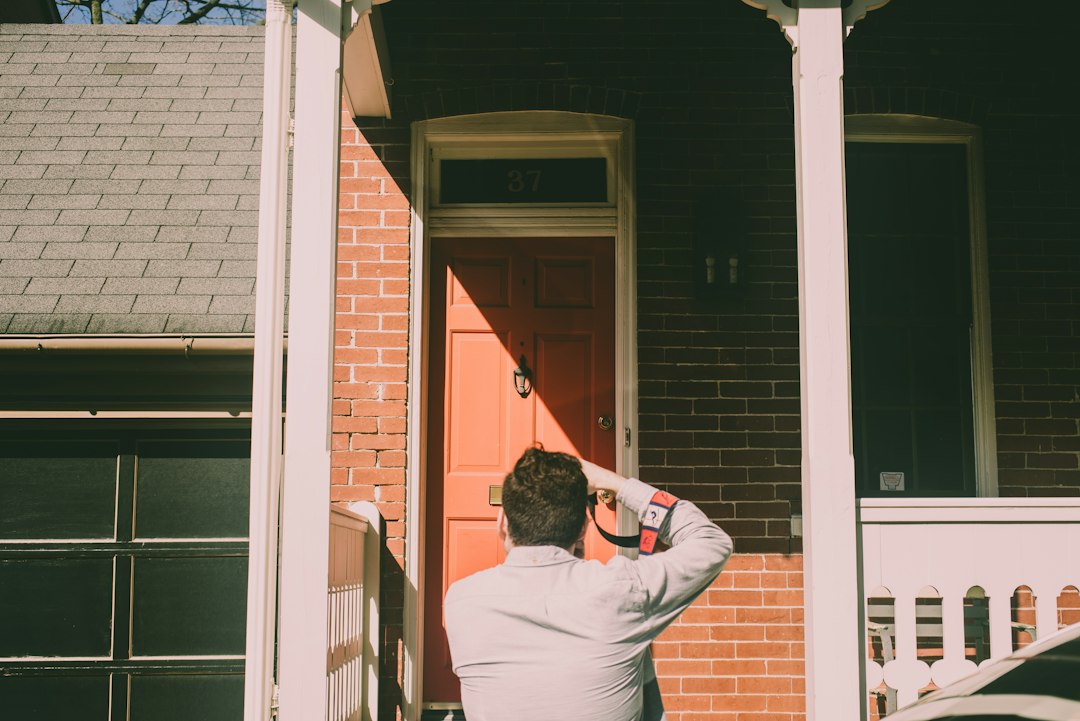
The Proactive Solution: A Pre-Listing Home Inspection
This is where you can turn a potential trap into a powerful advantage. A pre-listing inspection, conducted by a certified professional like the team at elmcityhomeinspection.com, gives you a complete and unbiased picture of your home’s condition before it ever hits the market. This is the single most effective way to maintain control over the sales process.
- Gain Control: You discover any issues on your own terms. This allows you to get multiple, competitive quotes for repairs, perform the work on your own timeline using contractors you choose, or decide to disclose the issue and price the home accordingly. You eliminate the last-minute panic and pressure.
- Prevent Negotiation Nightmares: By addressing or disclosing issues upfront, you remove the buyer’s biggest negotiation lever. When a buyer makes an offer with full knowledge of the home’s condition, their ability to demand large concessions post-inspection is severely limited. This builds trust and leads to a smoother, more transparent transaction.
- Increase Buyer Confidence: Providing a professional, pre-listing inspection report can make your home far more attractive to potential buyers. It signals that you are a transparent, responsible seller with nothing to hide. This confidence can lead to stronger, faster offers with fewer contingencies.
Trap #3: Spending Too Much on the Wrong Renovations Will Not Guarantee a Return
Investing heavily in major, personalized renovations before selling often fails to provide a positive return on investment (ROI). Many sellers fall into the trap of believing a complete kitchen or bathroom remodel is essential to command top dollar. However, sinking tens of thousands of dollars into high-end, taste-specific upgrades that don’t align with your neighborhood’s overall value can be a sunk cost you’ll never recoup. According to Remodeling’s 2023 Cost vs. Value Report, even a minor kitchen remodel only recoups about 86% of its cost on average, while major, high-end remodels often return far less. The key is to focus on smart, cost-effective improvements that appeal to the broadest range of buyers. This strategic approach helps you in funding your next home by maximizing your net profit, not just your sale price.
How to Avoid This Trap:
- Focus on High-Impact, Low-Cost Fixes: The projects with the highest ROI are often the simplest. A fresh coat of neutral paint throughout the interior can dramatically brighten a space and make it feel new. Updated light fixtures, new cabinet hardware, and modern faucets are small changes that make a big visual impact. Don’t forget curb appeal—professional landscaping, a freshly painted front door, and a clean entryway create a powerful first impression.
- Prioritize Repairs Over Remodels: Buyers expect a functional, well-maintained home. Fixing a leaky faucet, repairing a broken windowpane, or ensuring all electrical outlets work is far more important to a buyer than a gourmet stove in an otherwise dated kitchen. Use the findings from a pre-listing inspection to create a repair checklist and tackle those items first.
- Consult an Expert: Before you lift a hammer or a paintbrush, talk to your real estate agent. They have their finger on the pulse of your local market and can provide invaluable advice on which improvements are most valued by buyers in your specific neighborhood and price range.
Trap #4: Forgetting to Budget for the Total Cost of Selling Is a Common Shock
The final sale price of a home is not the net profit, as many sellers are surprised by the significant fees and expenses deducted at closing. The number you see on the purchase agreement is the gross figure. Your actual take-home amount, or net proceeds, will be considerably lower after all costs are paid. Failing to account for these expenses can leave you with significantly less cash than you anticipated for the down payment on your next home or for your other financial goals.
To illustrate, let’s look at a hypothetical breakdown for a $400,000 home sale:
| Expense Category | Estimated Percentage | Estimated Cost | Notes |
|---|---|---|---|
| Real Estate Commissions | 5% – 6% | $20,000 – $24,000 | Typically split between the seller’s and buyer’s agents. |
| Seller Concessions | 1% – 2% | $4,000 – $8,000 | Optional, but often used to cover buyer’s closing costs. |
| Title & Escrow Fees | ~1% | ~$4,000 | Includes title insurance, settlement fees, etc. Varies by state. |
| Transfer Taxes | Varies by location | $0 – $8,000+ | Highly dependent on state and local regulations. |
| Pre-Sale Preparations | Varies | $1,000 – $5,000+ | Includes repairs, staging, deep cleaning, inspection fees. |
| Total Estimated Costs | 7% – 10%+ | $29,000 – $49,000+ | |
| Estimated Net Proceeds | $351,000 – $371,000 | Before paying off the remaining mortgage balance. |
Common Seller Costs to Factor In:
- Real Estate Agent Commissions: This is typically the largest expense, usually ranging from 5% to 6% of the final sale price.
- Closing Costs: This broad category can include attorney fees, state and local transfer taxes (which can be substantial), title insurance policies, and other administrative or recording fees.
- Staging and Preparation Costs: You should budget for professional cleaning, any necessary minor repairs identified in your pre-listing inspection, landscaping, and potential professional staging services.
- Seller Concessions: In a competitive market, you may agree to pay for a portion of the buyer’s closing costs or purchase a one-year home warranty for them to make your home a more attractive proposition.
Trap #5: Letting Emotions Dictate Your Negotiation Strategy Leads to Poor Financial Outcomes
Allowing emotional attachment to a property to influence business decisions can sabotage negotiations and lead to poor financial outcomes. Your home is a repository of personal history and memories, and it’s natural to have a strong connection to it. However, the moment you decide to sell, you must mentally transition from homeowner to businessperson. Letting pride, frustration, or sentimentality influence your decisions—such as refusing a reasonable offer because you feel it’s “insulting” or fighting over a minor repair request out of principle—can prevent you from achieving your ultimate financial goal.
How to Avoid This Trap:
- Define Your Goal Early: Before you list your home, sit down with your agent and determine your bottom-line price and your primary objective. Is your goal the absolute highest price, even if it takes longer? Or is a quick, certain sale more important? Having this clear goal will serve as your anchor during emotional negotiations.
- Lean on Your Agent: Your real estate agent is your objective, professional buffer. They are not emotionally attached to your home. Let them handle the communication with the buyer’s agent and provide you with unemotional, data-driven advice. Their job is to filter out the noise and help you evaluate each offer based on its financial merits.
- Don’t Take It Personally: Remember that a buyer’s offer is a business proposal, not a personal judgment on your home, your taste, or your life. The offer is based on market data, comparable sales, the home’s condition, and the buyer’s own financial situation. By depersonalizing the process, you can evaluate offers and counter-offers logically.
Sell Smarter, Not Harder
Avoiding these five financial traps comes down to one core principle: proactive preparation. By pricing your home correctly from day one, understanding its true condition with a pre-listing inspection, making smart and strategic improvements, budgeting for all associated costs, and approaching negotiations with a clear, business-focused mindset, you protect your hard-earned equity. A successful home sale is a well-planned one, and a great place to start your planning is by understanding all the resources available to you. A professional’s website with a clear page-sitemap.xml can help you navigate and find crucial information quickly. You can explore different topics via the category-sitemap.xml and review past articles in the post-sitemap.xml to become a more informed seller. You can even learn more about the experts providing the advice by reviewing the author-sitemap.xml. Knowledge truly is power in a real estate transaction.